Banking in the Caribbean and Latin America has taken an accelerated leap toward digitalization. From Puerto Rico to the Dominican Republic, offshore financial institutions and commercial banks increasingly rely on open APIs to connect mobile applications, payment gateways, internet banking, and regulatory compliance systems.
However, this transformation has turned APIs into the preferred attack vector for cybercriminals. In 2026, AI-powered fraud and automated bot attacks are not only more frequent but have reached a level of sophistication that traditional defenses simply cannot stop.
At V-Corp International, we design security architectures specifically for banks operating in environments of high regulatory and climatic demand. Below, we share a strategic analysis to protect your digital assets.
The new perimeter: when the API is the bank
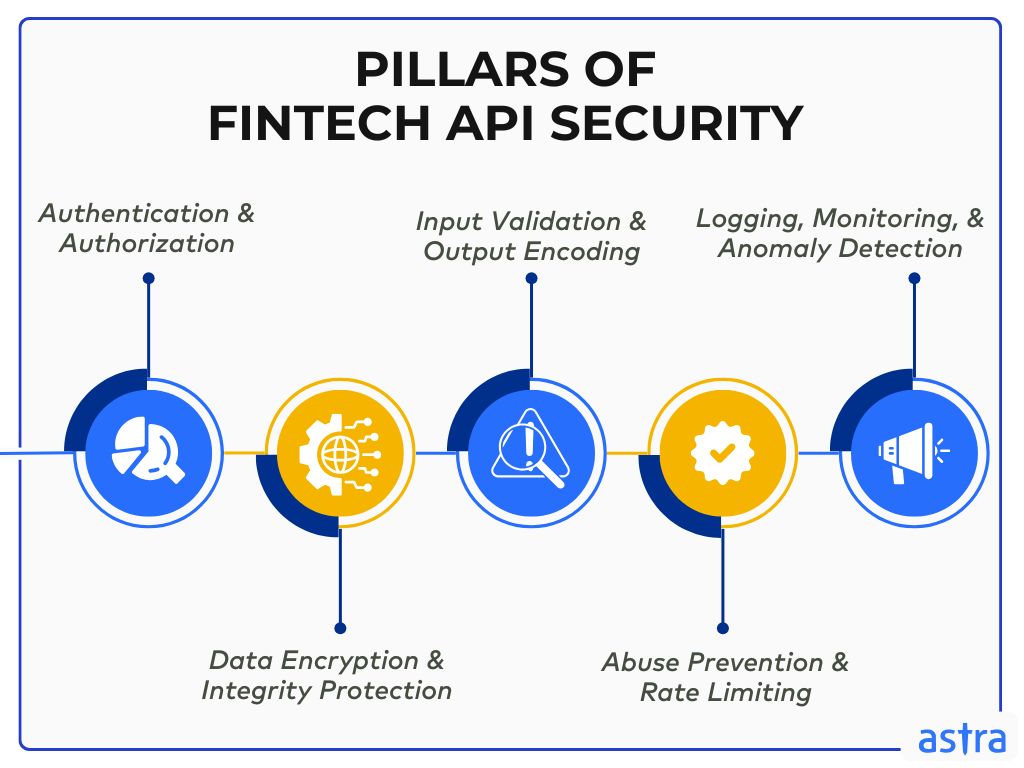
APIs are no longer simple technical connectors; they are the digital perimeter of your institution. Every balance inquiry, international transfer, or KYC validation traverses multiple endpoints that, if unprotected, expose:
- Customer data (PII) vulnerable to exfiltration.
- Business logic susceptible to manipulation.
- Internal infrastructure exposed to lateral movement.
According to recent sector reports, more than 70% of attacks on financial institutions in the region begin at the application layer, not the network.
The triple threat to Caribbean finance in 2026
1. Intelligent bots and credential attacks
Distributed brute-force attacks and account takeover (ATO) have evolved. Bots now use "low and slow" techniques to evade detection, simulating human behavior while testing millions of stolen credential combinations.
2. AI-generated fraud
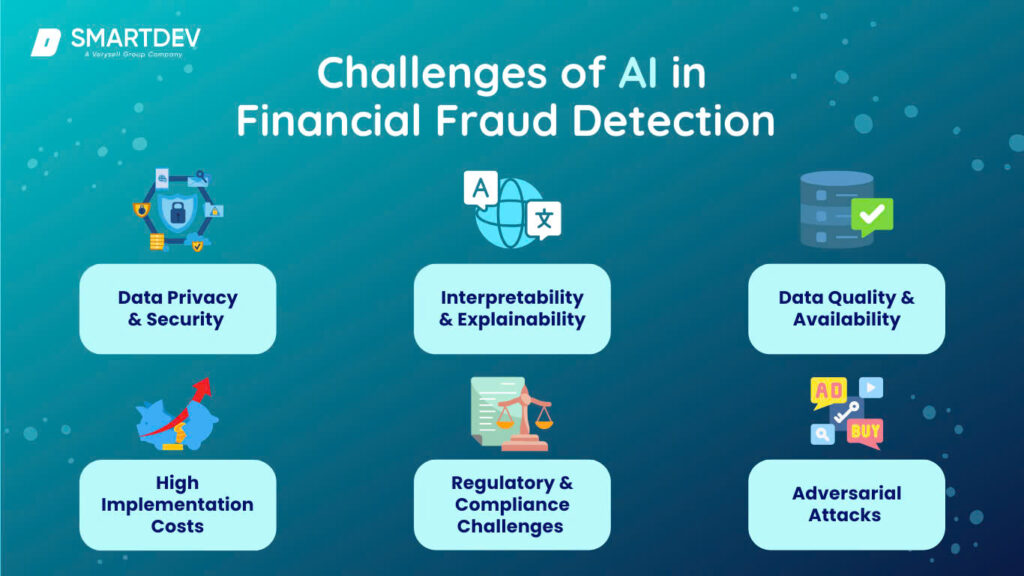
Language models and deepfakes have democratized fraud. From automated social engineering to forged identity documents for account opening, AI has become a double-edged weapon demanding equally advanced countermeasures.
3. Compliance under pressure
Operating in jurisdictions such as Puerto Rico, Saint Kitts and Nevis, or the Dominican Republic means simultaneously navigating FATCA, GDPR (for European partners), and local central bank regulations. A data breach is not merely operational; it is regulatory and reputational.
In our Caribbean compliance services, we help institutions translate these requirements into concrete technical controls.
Defense architecture: F5 + Check Point
To face these threats, we propose a layered security architecture combining visibility, control, and automation.
Perimeter Layer: Check Point Quantum
Check Point Quantum serves as the first filter of defense:
- Threat Prevention: Deep packet inspection (IPS) with real-time threat intelligence.
- Anti-Bot and Anti-Virus: Detection of command-and-control (C2) communications before the connection is established.
- SandBlast: Sandbox file analysis to detect zero-day malware targeting bank employees.
For offshore banks, this layer is critical because it stops initial infiltration before attackers ever reach the APIs.
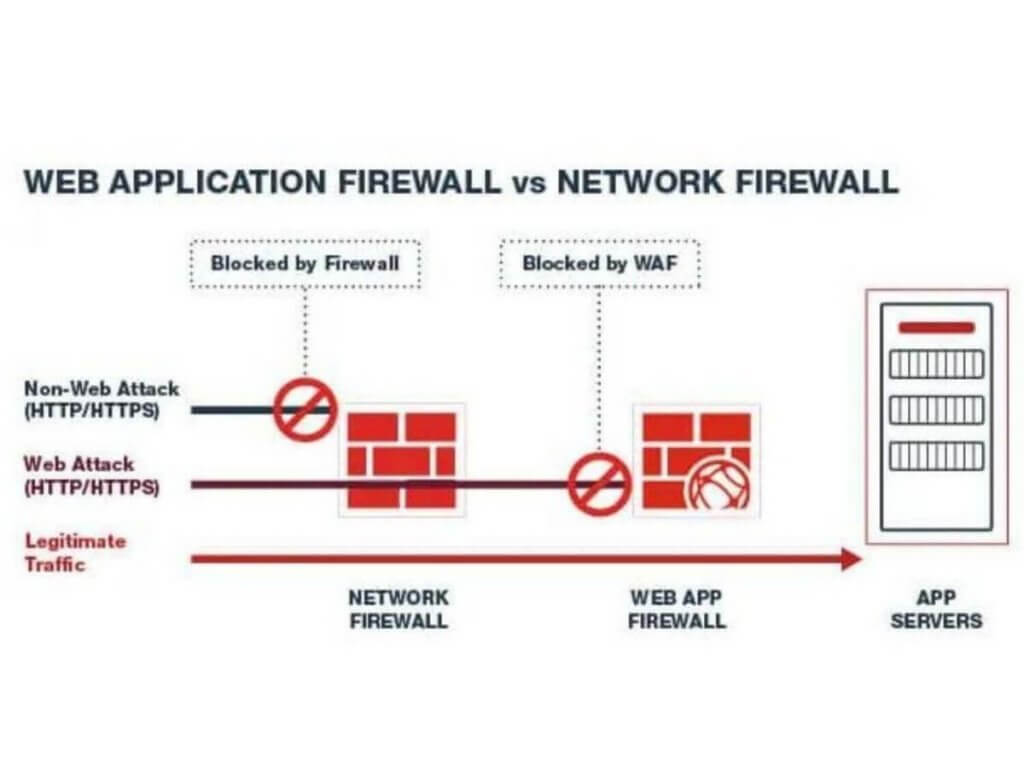
Application Layer: F5 Distributed Cloud + WAF
Where Check Point protects access, F5 protects logic:
- Advanced WAF: Defense against OWASP Top 10, SQL injection, cross-site scripting (XSS), and parameter manipulation in REST/GraphQL APIs.
- Bot Defense: Differentiation between malicious, benign, and human bots through behavioral analysis and fingerprinting.
- API Protection: Automatic API endpoint discovery, schema validation, and intelligent rate limiting.
F5 is especially relevant for institutions that have adopted microservices architectures or expose APIs to third parties (open banking).
Operational continuity: beyond security
In the Caribbean, resilience is not optional. A hurricane can take a local data center offline within hours. Therefore, our architectures for the financial sector include:
- Off-island replication: Immutable backups in European cloud (outside the hurricane zone) via secure object storage.
- Resilient SD-WAN: Multi-carrier connectivity that keeps transactions active even if one provider fails.
- Automated failover: If the primary data center is compromised or inaccessible, traffic is automatically redirected to cloud infrastructure.
This combination of proactive security + climatic resilience is what differentiates an institution that merely survives from one that thrives.
Toward fraud immunity in the AI era
The question is no longer if your bank will be attacked, but how fast you can detect and contain the threat. The strategies we recommend at V-Corp International focus on:
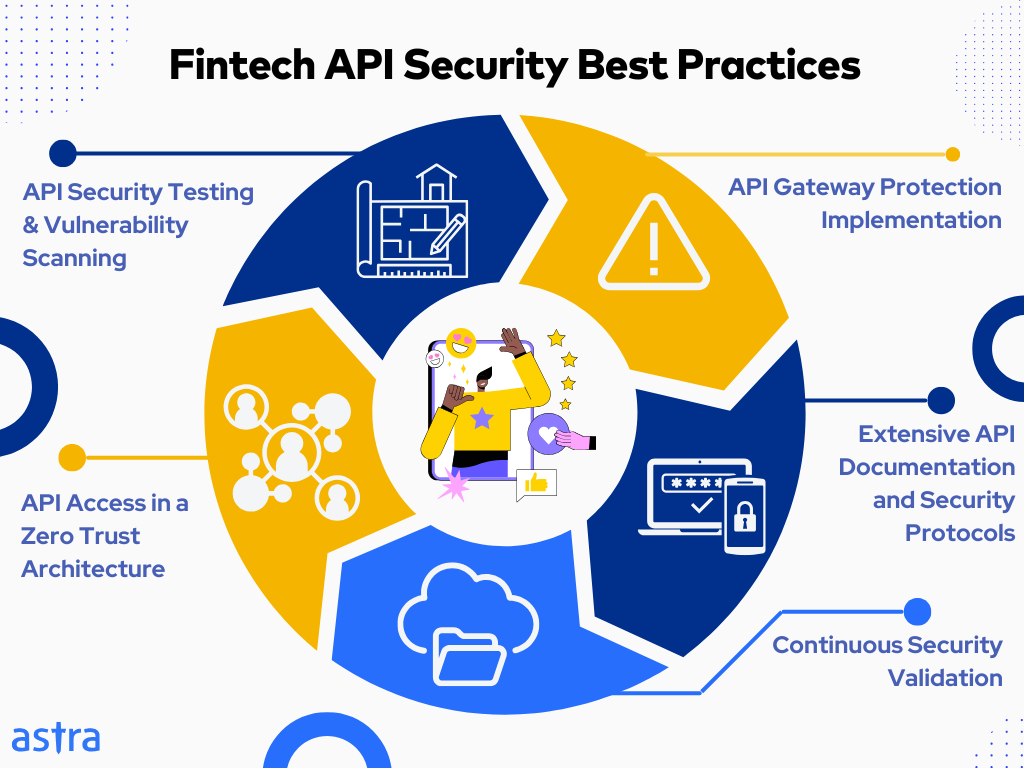
- Total visibility: Knowing what APIs exist, who consumes them, and what data they transmit.
- Zero Trust segmentation: No application, user, or device is trusted by default.
- Automated response: Threat containment in seconds, not hours.
- Continuous validation: Regular security tests that simulate real attacks.
Conclusion
Caribbean and Latin American banking is betting its future on the API layer. Institutions that invest now in modern application protection, bot defense, and resilient architectures will not only satisfy regulators such as OCIF, the FDIC (Puerto Rico), or the Central Bank of the Dominican Republic, but will also earn the trust of international customers and correspondent banks.
At V-Corp International, we are a Value-Added Reseller and solution architects for high-demand environments. If your institution needs to evaluate its current security posture against the threats of 2026, request our banking architecture assessment.
Is your institution prepared for the next cycle of digital hurricanes? Contact us and let's design an architecture that won't stop for any storm.